
Kerewan Samba Sira Cotton Project
The Sustainable Cotton Project in Kerewan Samba Sira is a community-led initiative dedicated to reviving The Gambia’s historic cotton industry while promoting sustainable rural development. By combining cotton cultivation, traditional spinning and weaving, and community-based tourism, the project creates employment opportunities and preserves the cultural heritage of the Fula and Mandinka communities.
Through sustainable farming practices and local collaboration, the initiative supports year-round production, strengthens local livelihoods, and offers visitors a unique experience of the full journey — from seed to finished product — reconnecting tradition with innovation and long-term opportunity.
Location
Kerewan Samba Sira, The Gambia
Duration
The project began in August 2024 and is ongoing.
Objective
To promote sustainable cotton farming, create additional employment opportunities, and preserve the rich cultural heritage of traditional hand-weaving within the Fula and Mandinka communities.
Beneficiaries
More than 1,000 residents of Kerewan Samba Sira, while preserving the cultural heritage of the Fula and Mandinka ethnic groups.
Activities
Preparation and development of cotton fields, construction of a well, purchase and planting of cotton seeds, field maintenance, harvesting and processing cotton, construction of traditional cultural museums, training local guides, and knowledge transfer in spinning and weaving.
Impact
- Additional income opportunities for local residents
- Preservation of traditional crafts and cultural heritage
- Knowledge exchange and skills development
- Sustainable, low-maintenance long-term economic activity
Our Journey
PHASE I – FIELD PREPARATION AND WELL CONSTRUCTION
TARGET: Establish cotton fields, construct a well, and begin preparation for cultural museums
STATUS: Completed (December 2024)
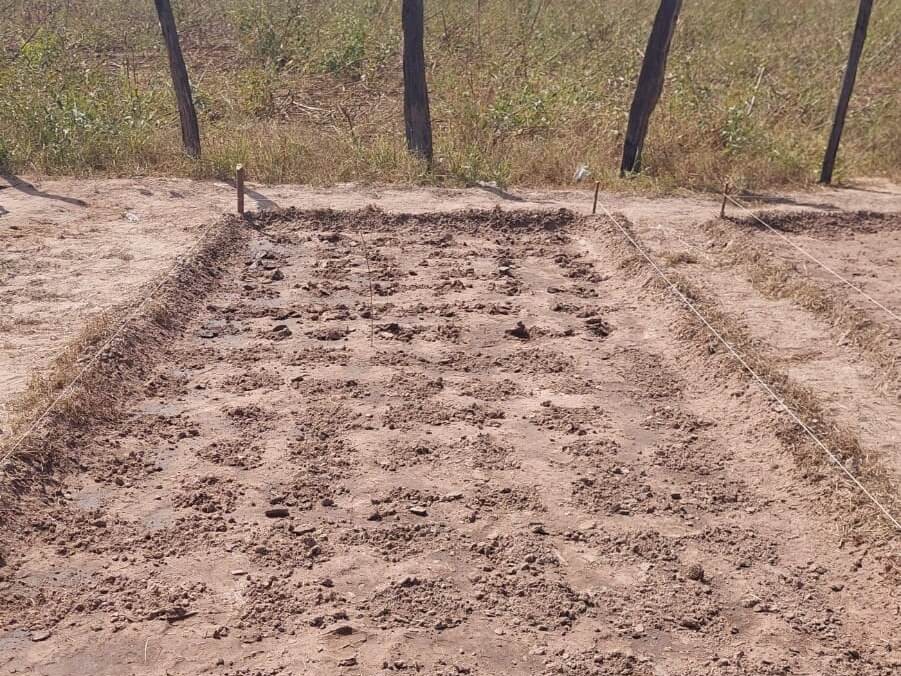
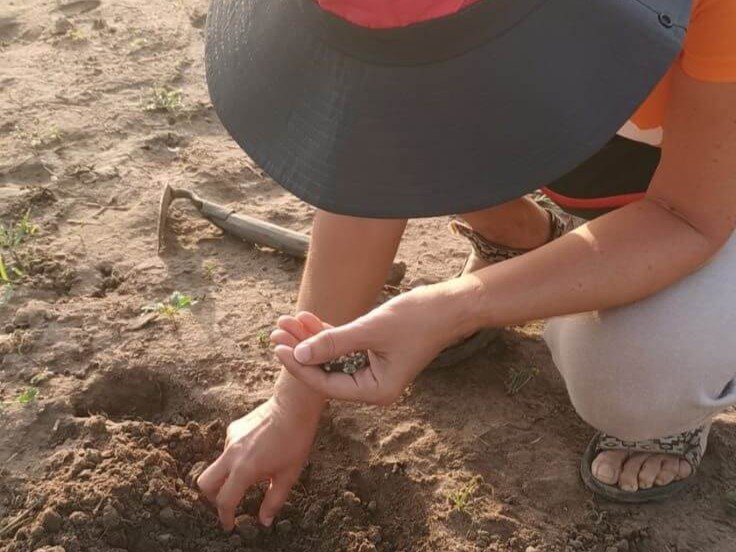
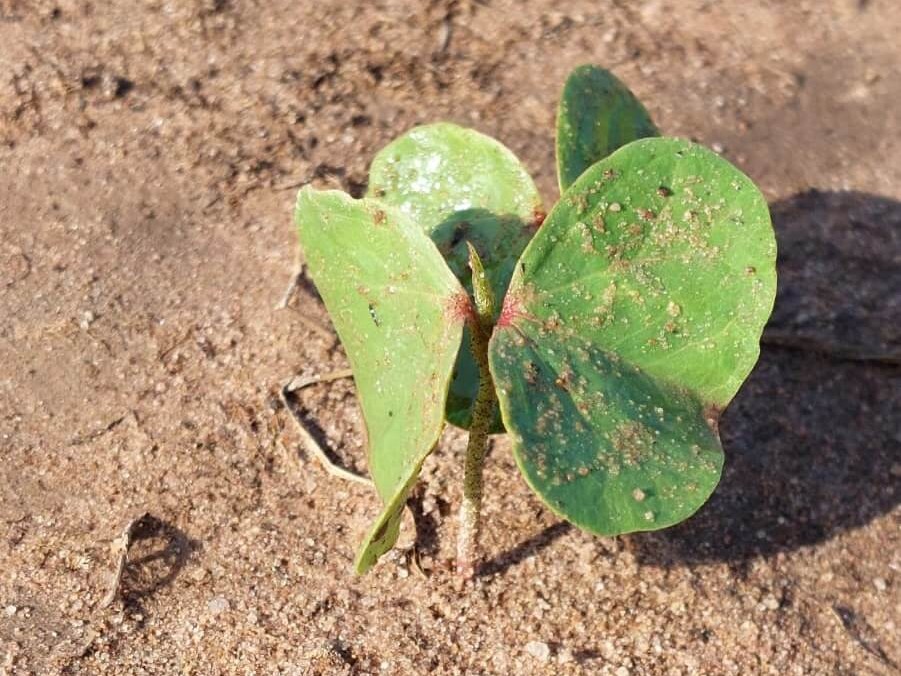
The first step was preparing the cotton field and constructing a well (October 22, 2024), ensuring year-round water access, even during dry months. Due to poor seed quality, cotton planting had to be repeated three times before achieving success.
With dedication from local residents and volunteers, the field was carefully maintained, weeded, and irrigated, creating strong foundations for sustainable production.
Simultaneously, preparations began for building two traditional cultural museums to attract visitors and create new income streams for guides, caretakers, food vendors, artists, and local families.
PHASE II – FIRST HARVEST AND COMMUNITY EMPLOYMENT
TARGET: Create employment opportunities, expand crops, and begin museum construction
STATUS: Completed (March 25, 2025)
A local worker was employed to maintain the field regularly. Pineapple was also planted as an additional income source.
On March 25, 2025, the first cotton harvest was successfully collected together with volunteers and villagers — marking an important milestone.
The project also created job opportunities for:
- Local guides presenting the project to visitors
- Women spinning cotton thread
- A traditional weaver from a neighboring village
- Women preparing meals for visitors
- Families hosting volunteers
Museum construction further supported local youth employment and stimulated the local economy through the purchase of exhibition items.
PHASE III – EDUCATION AND KNOWLEDGE TRANSFER
TARGET: Preserve and pass on traditional skills
STATUS: Ongoing
Training sessions for local guides continue, along with the transfer of knowledge in cotton spinning and weaving. The project ensures that traditional craftsmanship remains alive and is passed to younger generations.
PHASE IV – EXPANSION AND COMMUNITY INTEGRATION
TARGET: Expand crop production, enhance museums, and strengthen volunteer-community collaboration
STATUS: Ongoing
Additional cotton and fruit plantations are being developed. The cultural museums are being refined with exhibition descriptions and guide training.
The project is closely linked to the Volunteer Trails program, allowing volunteers to participate directly in cotton farming, harvesting, and cultural exchange.
What's Next?
The cotton project has become a symbol of community, connection, and sustainable rural development. Opportunities for involvement remain open.
How You Can Get Involved
- By volunteering in village projects (kindergarten, football academy, cotton revitalization, museum activities, mud house construction)
- Through donations supporting agricultural development, tourism initiatives, museum expansion, and community-based projects
Donation Details
Account Name: VOLUNTEER TRAILS – THE GAMBIA
Account Number (GMD): 6240037610
Account Number (EUR): 6240037611
Swift Code: ECOCGMGMXXX
Beneficiary Bank: Ecobank Gambia Ltd.
Beneficiary Bank Address: 42 Kairaba Avenue, Serekunda – The Gambia.