
Primate Conservation
By joining Primate Conservation Volunteer Program in The Gambia, you will help protect the critically endangered Western Red Colobus (Piliocolobus badius temminckii).
This species faces serious threats such as deforestation, habitat fragmentation, and hunting, which makes conservation efforts especially urgent.
As a volunteer, you will assist the conservation team with research, habitat restoration, environmental education, and community engagement. Your daily activities will depend on the ongoing projects at the Primate Conservation Centre, allowing you to take part in both fieldwork and educational initiatives.
Role
Conservation Assistant
Location
Brusubi Phase 1, The Gambia
Partner Organisation
Communities for Red Colobus Project (C4RC)
Duration
Minimum 2 weeks; maximum duration is not limited.
Type of Travel
Study Visit / Voluntary Work / Group Expedition
Availability
Open year-round
Dates
Flexible start and end dates
Schedule
Mon–Fri, 08:00–16:00; typical volunteer shift 3–5 hours/day
About the Organisation
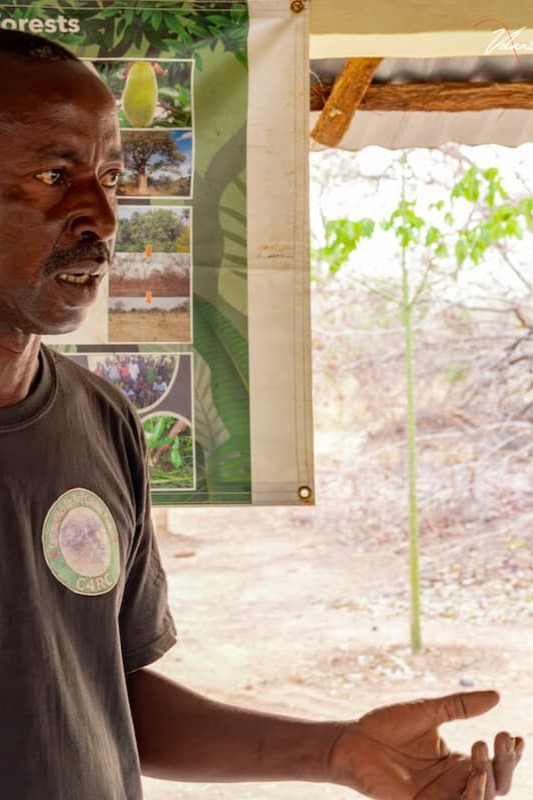
Communities for Red Colobus Project (C4RC) is a conservation organisation based in Misira, The Gambia, dedicated to protecting the endangered Temminck’s Red Colobus monkey and its natural habitat.
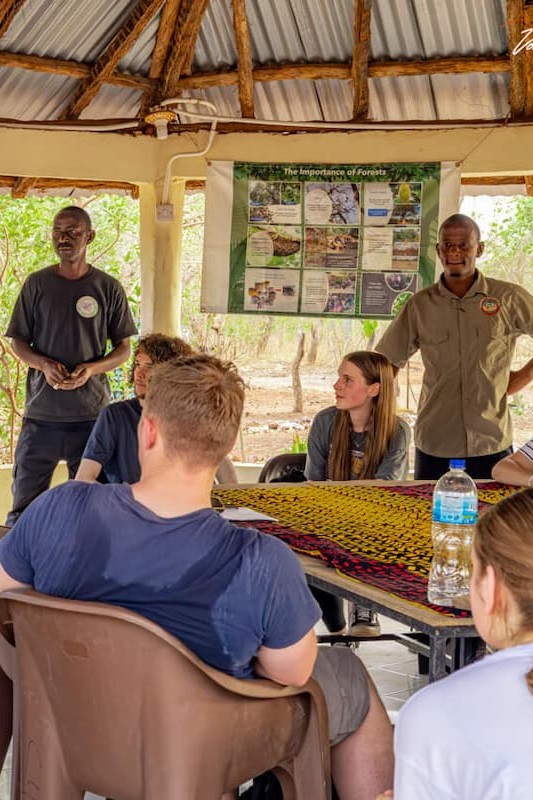
The project connects local communities, scientists, and volunteers in research, forest restoration, and environmental education.
Beyond primate protection, C4RC promotes sustainable tourism, tree planting, and community empowerment programs, creating a balance between people and nature.
Why your help matters
Your support is crucial in helping C4RC maintain a balance between wildlife conservation, education, and community development.
By participating, you contribute to several key goals:
- Protecting endangered species: The Red Colobus is one of West Africa’s most endangered primates. Without volunteer support, its population in the wild would continue to decline.
- Restoring habitats: Every tree planted helps regenerate forests that are essential for the survival of primates and other wildlife species.
- Educating youth: Volunteers visit schools to teach children about nature, animals, and sustainable living — laying the foundations for a generation that values and protects its environment.
- Supporting local communities: By working in villages, markets, and with women’s groups, you help strengthen the local economy and promote sustainable development.
Role overview (what you’ll do) — under staff supervision
As a volunteer, you may take part in various activities, such as:
- Primate observation and research: Assisting local experts in tracking and recording primate behaviour;
- Tree nursery work: Supporting tree planting and seedling care for reforestation;
- Educational outreach: Organising school visits and awareness campaigns about conservation;
- Ecotourism support: Helping organise primate and bird-watching safaris, cleaning forest paths, maintaining rest areas, and labelling plants;
- Sustainable development: Building eco-friendly “rocket stoves” and promoting environmentally responsible practices in local communities.
Who we’re looking for
Volunteers with a passion for wildlife and environmental protection.
Previous experience with primates or conservation projects is an advantage but not required.
Basic English skills are desirable, as well as personal qualities such as independence, adaptability, patience, and open-mindedness.
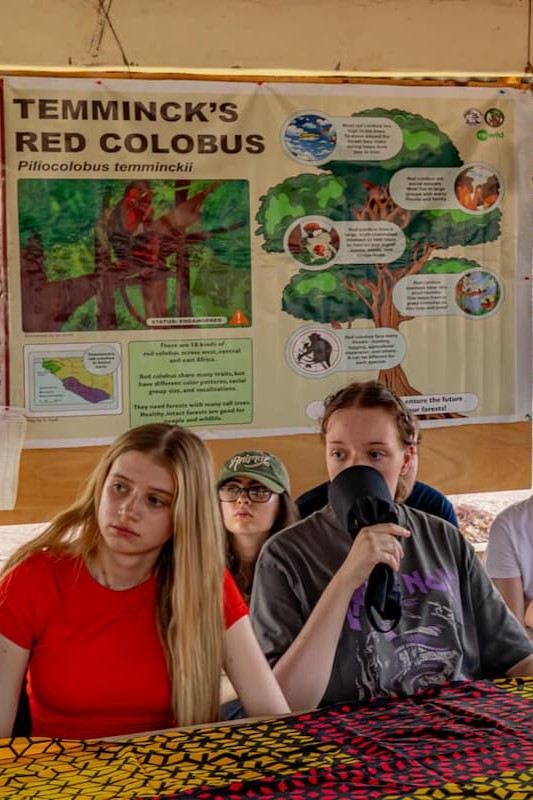
Training & supervision
On your first day, the volunteer coordinator or experienced team members will meet you at the bus station and assist with your transfer to the centre.
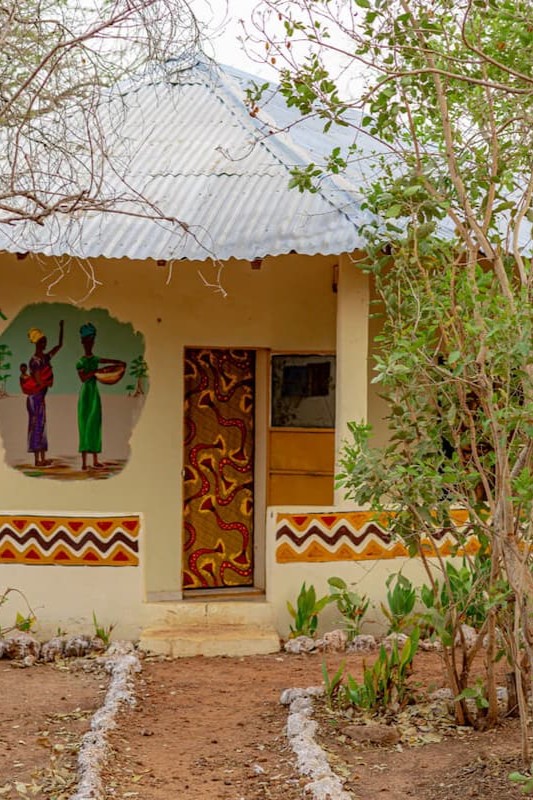
After arriving in Kudang, a team member will drive you to the Primate Conservation Centre in Misira village.
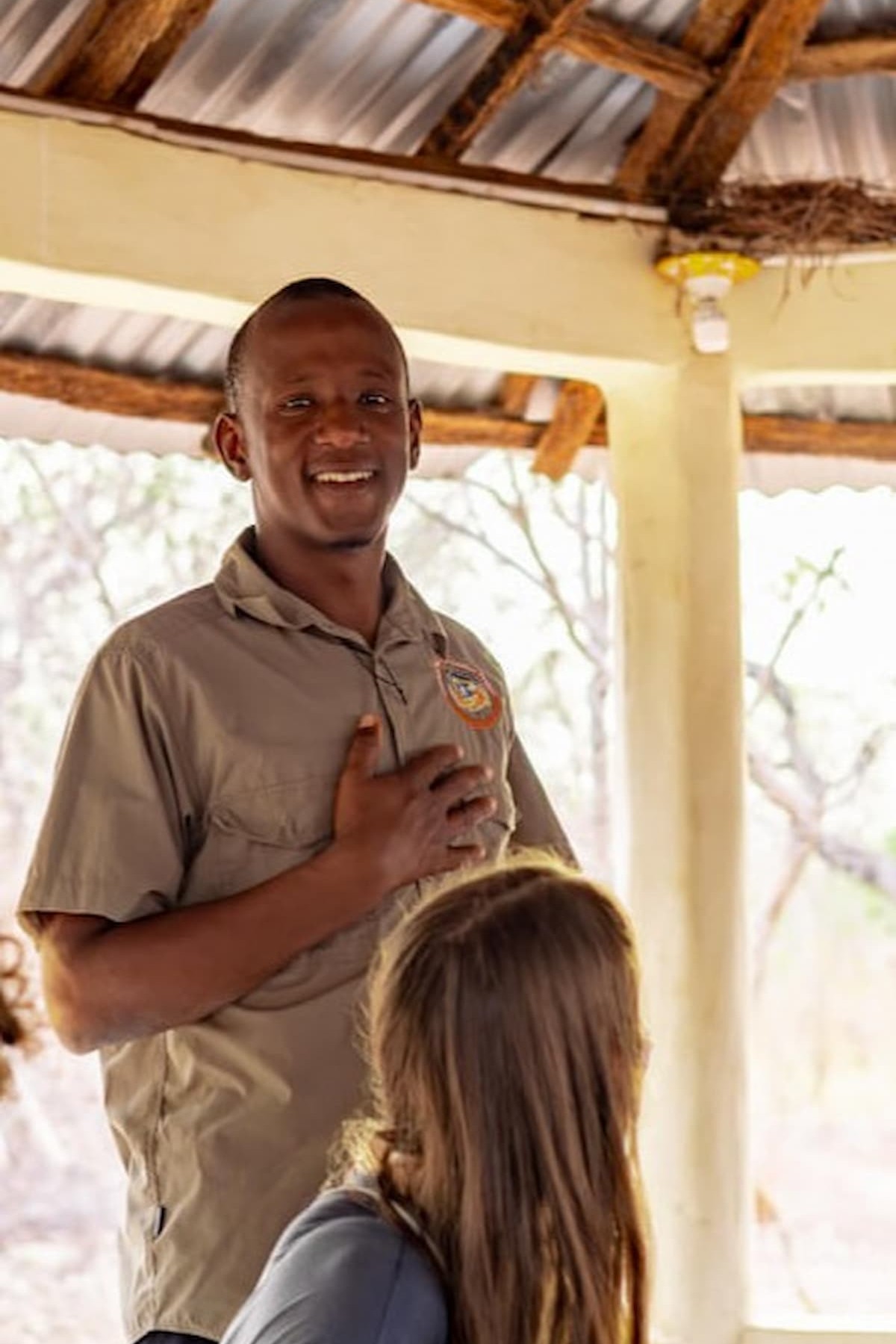
You will be welcomed by the team, followed by an orientation tour, staff introductions, and initial tasks such as primate observation.
Further activities will depend on current projects and may be adjusted according to your interests and the needs of the centre.
How to prepare
Volunteers should be ready for both physical and educational activities.
A typical day combines morning fieldwork (research and conservation) with afternoon community engagement.
You are encouraged to prepare short workshops or educational games for school visits.
Important personal traits include creativity, flexibility, and cultural openness.
Program Goals
To support the conservation of endangered primates through ecological monitoring, community participation, and the development of sustainable tourism.
Fundraising
All donations are used to:
- Support primate conservation research;
- Fund tree planting to restore primate habitats;
- Provide educational materials for school visits;
- Support local guides and conservation workers;
- Cover maintenance and operating costs of the conservation centre.
In-kind contributions are also highly valued, especially:
- Binoculars for primate observation;
- Field notebooks and pens;
- Educational posters about wildlife conservation;
- Tree-planting tools and equipment;
- Books on primates, nature, and biodiversity for local schools.
Volunteers are kindly asked not to bring items that are unsuitable for this environment, such as single-use plastics or electronic devices that require frequent charging.
How it works?
Click HERE to learn everything you need to know—in one place—about how volunteering with us works and how to prepare.
Stories of Our Volunteers

Zala Košir
This can’t be started differently than to say that the experience was amazing, and it truly warmed my heart. If you are thinking of going to The Gambia as a volunteer, don’t wait any longer – just go for it. You won’t regret it. I know I should start at the beginning, so I’ll go back now.