
Social Work in the Orphanage
Bakoteh Shelter is the largest state-run transitional home for vulnerable children in The Gambia. It provides temporary accommodation and care for infants and toddlers who have been abandoned, neglected, or abused.
Volunteers assist in daily childcare, including feeding, playing, comforting, and accompanying children to medical check-ups. Through their care and presence, volunteers make a meaningful contribution to the children’s health, comfort, and emotional well-being.
Role
Assistant in early childhood care
Partner Organisation
BAKOTEH SHELTER FOR CHILDREN AND HOME FOR THE ELDERLY
Location
Bakoteh, The Gambia
Language
English (basic local phrases welcome)
Type of Travel
Study Visit / Voluntary Work / Group Expedition
Availability
Open year-round (closed during public/school holidays per national calendar)
Duration
Minimum 2 weeks; maximum duration is not limited.
Schedule
Mon–Fri, 08:00–16:00; typical volunteer shift 3–5 hours/day


About the Shelter
Bakoteh Shelter is the largest state-run transitional home for vulnerable children in The Gambia, operating under the Ministry of Gender, Children and Social Welfare.
It provides temporary accommodation, protection, and care for children from birth to adolescence who have been abandoned, trafficked, abused, or left without parental care.
A smaller section of the complex also houses elderly residents in need of support and companionship.
The shelter faces a severe shortage of essential supplies, including diapers, baby formula, clothing, hygiene products, and even basic bedding.
Volunteer donations and material contributions play a crucial role in ensuring the daily care and well-being of the children.
Although some infrastructural improvements have been made in recent years, the daily reality remains challenging — overcrowded facilities, limited staff, and a lack of professional training in social and child care.
Why your help matters
Infants and toddlers at Bakoteh are among the most vulnerable children in The Gambia — many arrive malnourished, ill, or severely neglected.
They require constant care, including feeding, bathing, changing, and—most importantly—warmth and human contact.
Due to limited staff and resources, children often receive only the most basic level of care.
Your presence as a volunteer provides:
- More helping hands for feeding, changing, and comforting babies;
- Warmth and human connection that children deeply need;
- Improved hygiene and comfort through attentive daily care.
This volunteer work is not easy — it requires emotional strength, resilience, and initiative — but the impact on the children is immediate and life-changing.
Role overview (what you’ll do) — under staff supervision
Volunteers play a crucial role in supporting the daily care and emotional well-being of the children at Bakoteh Shelter.
Under the guidance of local caregivers, you will assist with both practical childcare duties and the creation of a safe, nurturing environment for infants and toddlers.
Your daily responsibilities may include:
- Daily care: changing diapers, bathing, dressing, and feeding infants and toddlers;
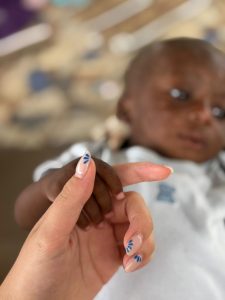
- Warmth and comfort: holding, cuddling, and interacting with babies to provide the attention and affection they need;
- Support for older toddlers: engaging in play, singing, simple storytelling, and helping introduce basic routines;
- Organising supplies: sorting donated items, diapers, baby formula, and other childcare materials;
- Hygiene and environment: helping to keep sleeping and play areas clean, tidy, and safe.
Volunteers are deeply involved in the hands-on care of infants, including feeding, changing, soothing, and putting them to sleep. You will also help maintain their hygiene and comfort.
A key part of your contribution is creating a loving, emotionally supportive environment — spending time outdoors, playing, and stimulating development through gentle interaction.
In addition to direct childcare, volunteers are encouraged to share their knowledge and caregiving techniques with local staff. This helps strengthen long-term practices and ensures sustainable, improved care for the children at the shelter.
Who we’re looking for
This program is best suited for emotionally strong and resilient individuals who are ready to work in challenging conditions, which may include exposure to poverty, neglect, and low staff motivation.
Ideal volunteers are:
- Patient and caring, able to offer warmth, comfort, and attention to infants and toddlers;
- Independent and proactive, willing to take initiative while respecting the guidance of local staff;
- Emotionally balanced, capable of managing stress and maintaining healthy professional boundaries;
- Culturally sensitive, showing respect, humility, and adaptability in a new environment;
- Preferably have some experience in childcare or early childhood development — although this is not required.


Training & supervision
First day: Volunteers are accompanied by the program coordinator for an orientation session, which includes an introduction to child protection policies and a guided tour of the baby unit.
First few days: You will observe and shadow local staff to become familiar with daily routines and caregiving practices.
Gradual involvement: As you gain confidence, you’ll begin to assist with feeding, changing, and daily childcare tasks under supervision.
Ongoing support: Daily check-ins with the coordinator allow space for feedback, guidance, and emotional support.
End of placement: A final debrief and reflection meeting is held, where volunteers can discuss their experiences and, if desired, receive a certificate of participation.
How to prepare
It is important to gain basic knowledge of infant care before your placement — including skills such as diaper changing, feeding, soothing, and putting babies to sleep.
Attending workshops or short courses on child development, basic healthcare, or first aid can greatly improve your readiness and confidence.
Develop your emotional intelligence and patience, as you will be working with vulnerable children who may need extra attention, comfort, and affection.
Familiarizing yourself with the cultural and social context of the local community will also help you communicate more effectively and build trust with both the children and the staff.
Keep in mind that you may face challenges such as language barriers, limited resources, and emotional situations — being flexible, open-minded, and willing to learn will help you adapt and thrive in this environment.
Program Goals
In the short term, the goal of volunteers at the Bakoteh Shelter is to improve the daily lives of children by directly supporting their basic needs such as feeding, personal hygiene, and emotional care.
Volunteers help create a warm, nurturing, and stimulating environment where children can play, learn, and develop in safety.
An important part of the mission is also to transfer knowledge and caregiving skills to local staff, ensuring that high-quality child care continues beyond the volunteers’ stay. Volunteers are encouraged to bring children outdoors regularly, as fresh air and gentle activity contribute greatly to their physical and emotional well-being.
In the long term, the program aims to provide continuous volunteer support, train and empower local caregivers, and improve medical care, hygiene, and dignity for all children in the shelter.
Through consistent, compassionate care, infants receive warmth and human connection, while toddlers engage in play, routines, and social interaction. Volunteers serve as positive role models, promoting professionalism, empathy, and child-centered care practices.
Wish list
All volunteers are encouraged to contribute to fundraising efforts.
With just a small initiative, it is usually possible to raise at least €250, which is used to purchase essential childcare supplies such as diapers, baby food, milk formula, clothing, and hygiene products.
These materials are delivered to the shelter daily as needed to reduce the risk of loss or theft.
A portion of the donations also helps cover medical expenses for children with the most critical health conditions.
Material donations are warmly welcomed, though luggage space limitations should be taken into account — it is therefore recommended to bring only small quantities of lightweight or compact items.
Every contribution directly supports the basic needs, living conditions, and sustainable care of children in the shelter, helping to ensure a safe, dignified, and nurturing environment for their growth and well-being.
How it works?
Click HERE to learn everything you need to know—in one place—about how volunteering with us works and how to prepare.
Stories of Our Volunteers

Zala Košir
This can’t be started differently than to say that the experience was amazing, and it truly warmed my heart. If you are thinking of going to The Gambia as a volunteer, don’t wait any longer – just go for it. You won’t regret it. I know I should start at the beginning, so I’ll go back now.