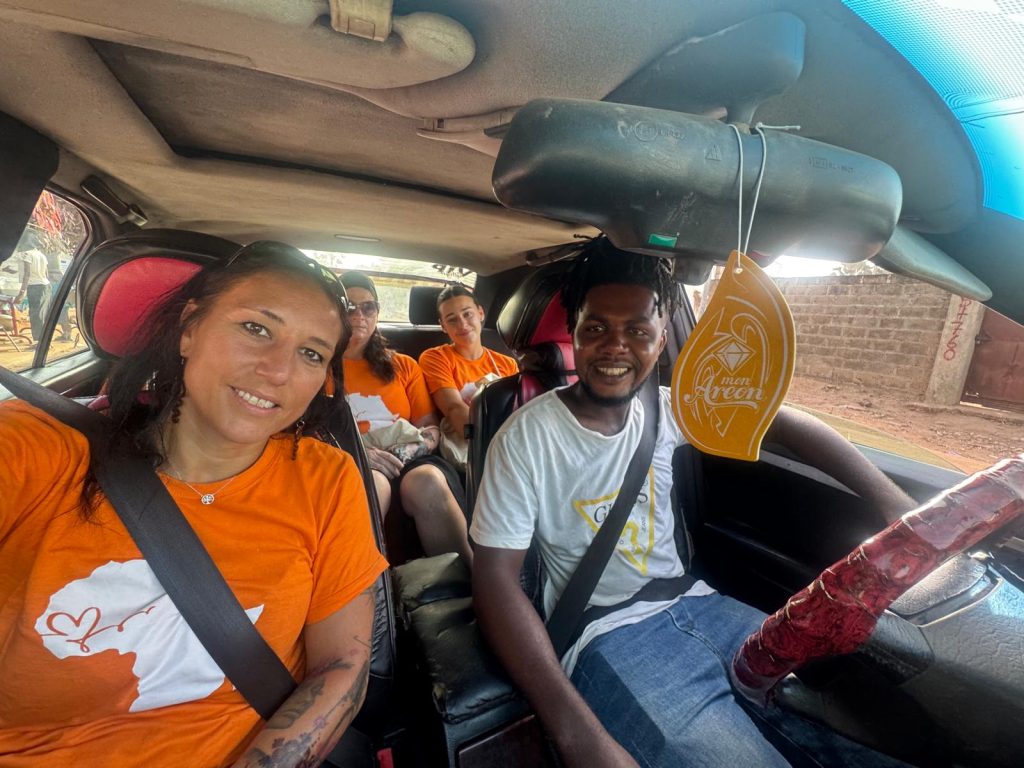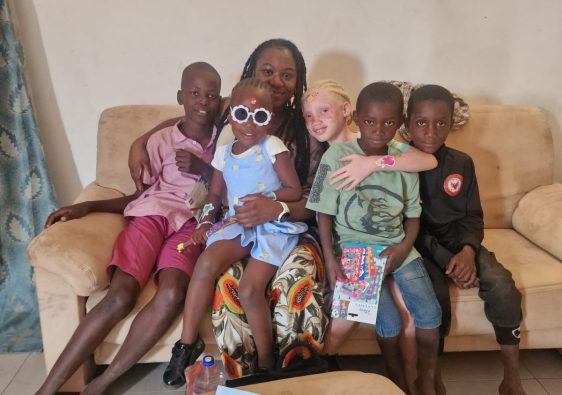
Since I returned from Africa, more precisely from The Gambia, I keep getting the same questions:
Why did I go in the first place?
What was it like?
Will I go back again?
And all the time, I find myself wondering what people are really asking me.
Do they want to know whether I felt that “call of Africa” we all like to talk about?
Do they want to know whether the experience shook me, shocked me, disappointed me?
Or do they just want to hear that I will never go back?
Or maybe they expect me to open up again and again, to share my story — and my heart. To say that I may have actually lost myself in this chaotic modern world. That life in a corporation, where I work, often leads you to question your sense of purpose. That when you become a mother, a partner, a daughter, and at the same time a working woman, expectations only grow. That the modern world demands a woman to be everything: a perfect mother, a perfect partner, the caretaker of the home, the one who cooks, cleans, organizes life, plays with the children, and still nurtures the relationship in the evening. That parents are getting older, and everyone expects you to always be available. And that ambition in a woman is still often not well received — as if “modesty” should be her greatest virtue, even though so much more is expected of her.
In the end, you realize you’ve lost yourself in all these roles. You no longer know who that free, curious girl full of ideas and dreams was. You’re left as someone who takes care of everything — simply because you have to.
That’s why I was all the more surprised by the reaction of people around me when I went to Africa, to The Gambia, on my own. As if those close to me don’t believe that I can carry a thousand and one responsibilities at home, that I have travel experience — yet somehow, I am neither able nor allowed to do something just for myself. As if the fact that I am a mother is reason enough not to allow myself this. As if I should simply accept that this is what life is — part of growing up, part of adulthood. Difficult and dull.
So, I ask you sincerely:
How many times have you said this to a man?
Have you ever told him he was abandoning his family because he went somewhere far away for two weeks?
Have you ever questioned his decision — him — when he said he needed time away?
The modern world suffocates us with expectations. With ideas of how things should look. And with a pace so fast that when I returned, I felt as if I had been thrown into a raging river and told: “Irena, now survive.”
If I answer the second question — what it was like.
An experience is always a reflection of who you are. In The Gambia, you can see piles of trash, the absence of systems, illiteracy, a lack of opportunities. But in that same place, you can also see something else.
In the sand, the dust, and the chaos, I saw red flowers. Incredibly beautiful flowers growing right in the middle of it all. That contrast is also my experience.
You can see hardship — and it is truly hard.
The fact that education must be paid for, that families are large and often don’t have enough money even for food, let alone school. Because of that, people’s potential remains untapped.
But when you really listen to people, you see something else. You see capability, kindness, a desire for change. You see people who, if given the opportunity, would create incredible solutions. But because they don’t have those opportunities — and sometimes don’t even know they exist — they give up and stand still.
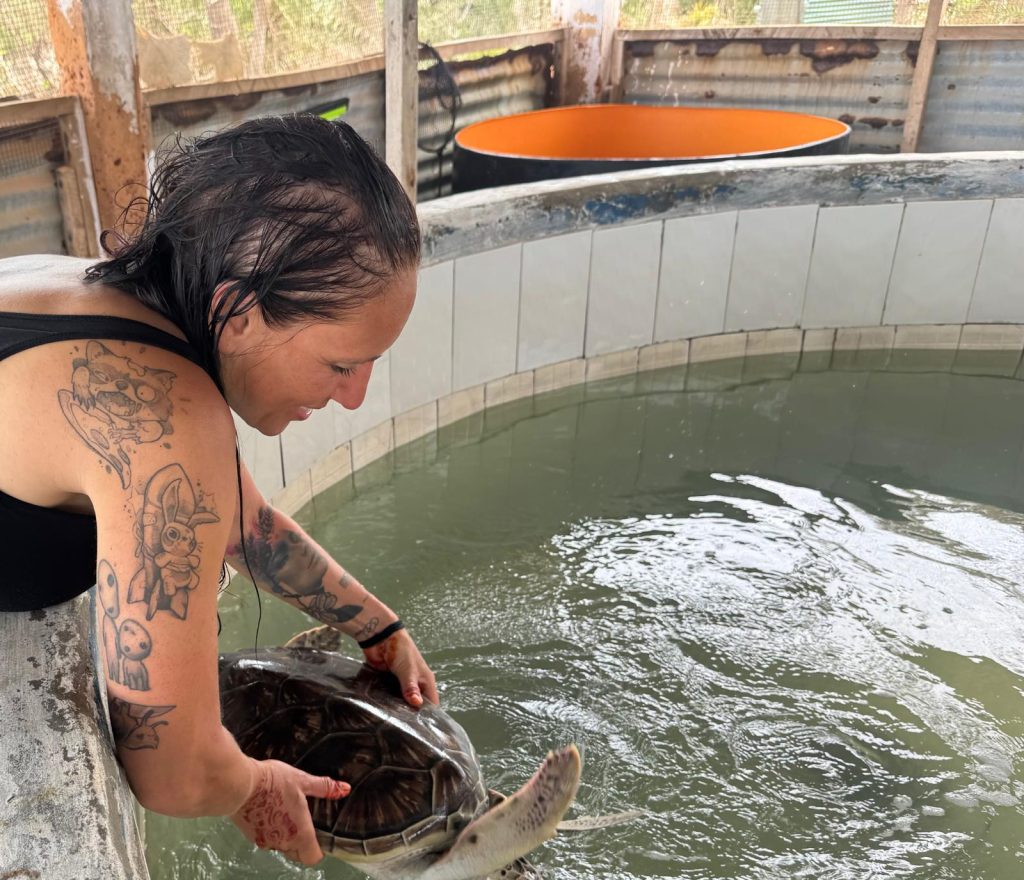
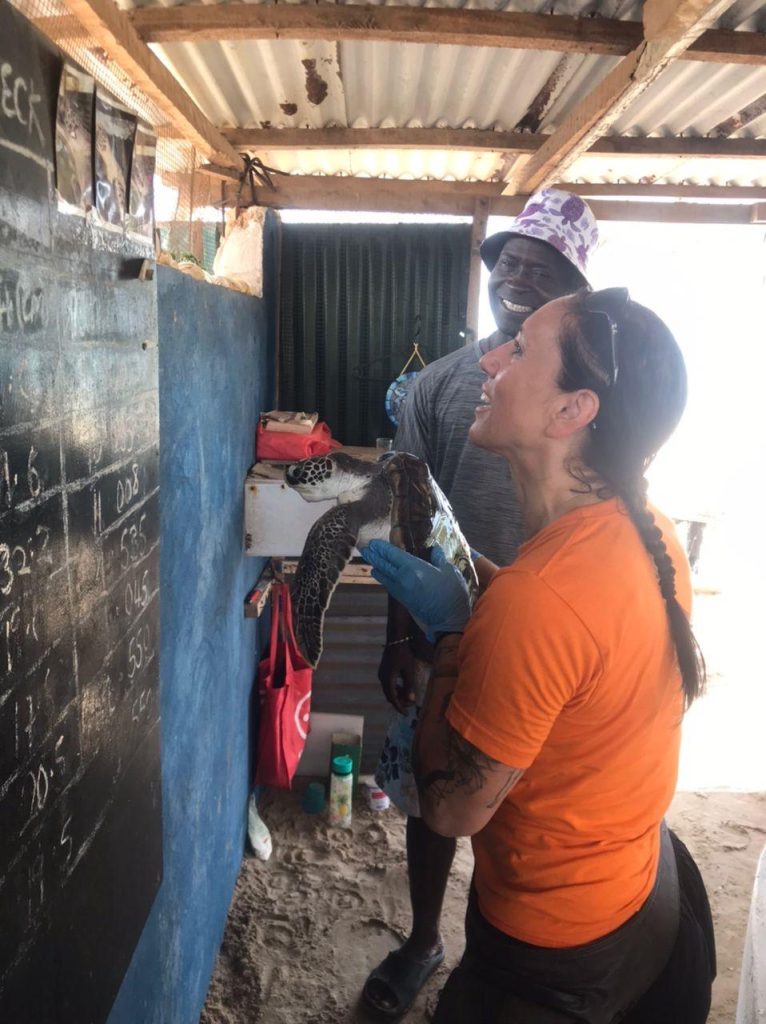
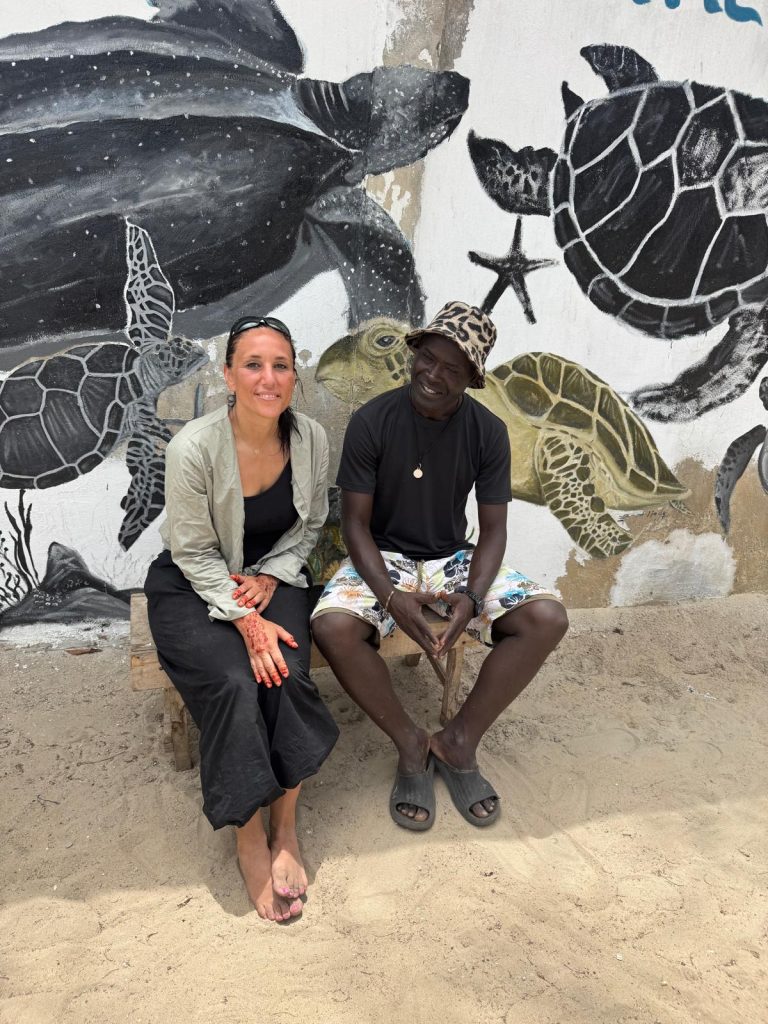
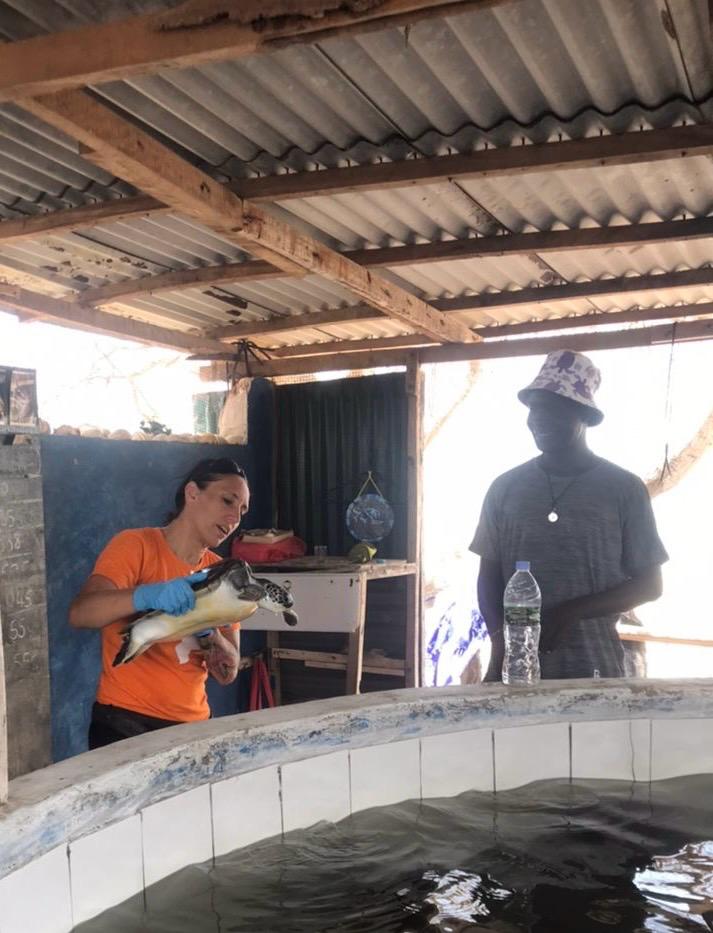
I met people working in non-governmental organizations, trying to improve community life, the relationship with nature, with animals. When I helped protect sea turtles, I was inspired by their enthusiasm — even though they lacked knowledge and resources.
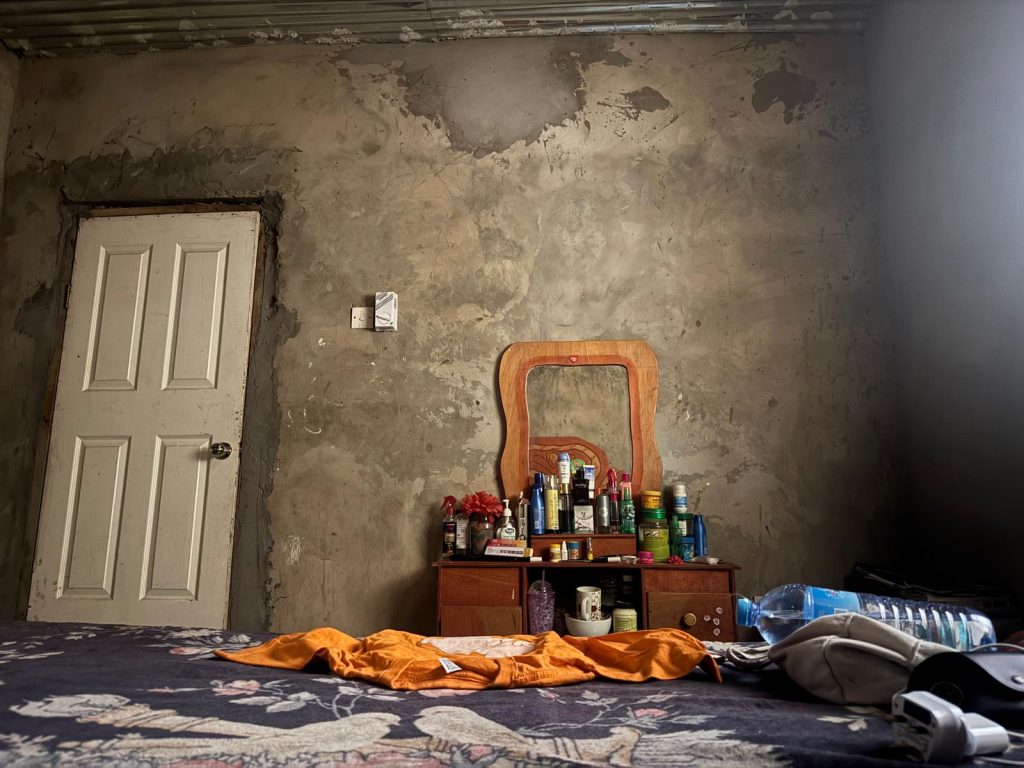
In the end, you realize they are not to blame, as we so often judge them. The system itself leaves them behind. There was no electricity for up to 14 hours a day. People who sold their generators because they believed promises of electricity and infrastructure now regret it. And then you ask yourself — how fortunate we are in Europe, and we don’t even see it. How quickly we criticize systems without understanding their value.
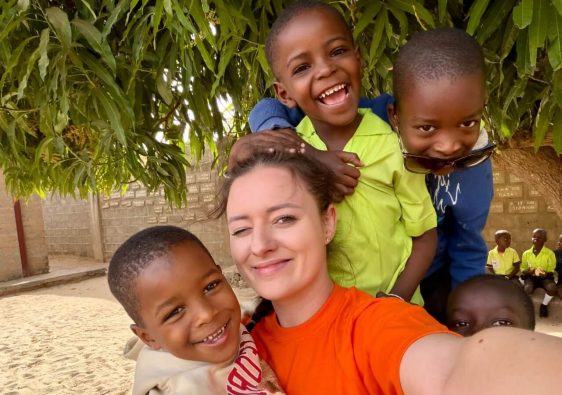
I was touched by the story of a boy who had broken his leg. Because there is no accessible free healthcare, he was taken to local healers, and without proper treatment, the bone healed incorrectly, leaving permanent consequences. On a kindergarten trip, I carried him for two kilometres so he could keep up with the other children — his smile was priceless.
That is the red flower I am talking about.
I met incredibly warm-hearted people. I laughed in a way I haven’t for a long time. We shared stories, dreams, ideas about a different kind of life.
And the final question — will I return?
The world is full of stories and people I want to meet. If there is a “call,” then it is my call to explore — not just The Gambia, Africa, but the world. If anything pulls me back, it is the people. People who changed my heart. I also miss the simplicity. The slowness. The sense of community.
I miss myself — that Irena who knows how to laugh, who is light, playful. In this pace of life, with all the responsibilities and scattered relationships, the idea of sitting in the evening with strong green attaya tea, talking and laughing, feels almost like a dream.
I don’t know if I answered your questions.
Perhaps I have simply opened my heart once again and laid it before you. But I truly wish that we could learn to feel and understand one another more. Sometimes it is enough to give someone the chance to share their story — only then can we truly see them. And perhaps, in the end, we realize that they are the very red flower that reminds us how beautiful life is… we just need to notice it