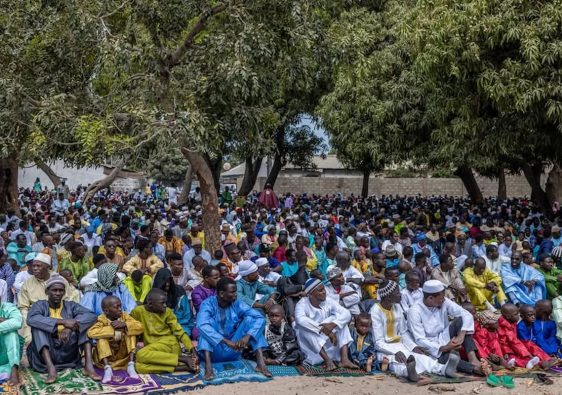
The Gambia is a small West African country stretching along the Gambia River, where the majority of the population is Muslim. Because of this, Ramadan holds a special place in everyday life. As these days unfold, The Gambia is entering to the final phase of the holy month of fasting, when cities, villages, and families begin preparing for one of the most important celebrations of the year – Koriteh.
Ramadan is the ninth month of the Islamic calendar, which is based on the lunar cycle. Since the Islamic calendar is shorter than the Gregorian calendar, the start of Ramadan shifts approximately 10–11 days earlier each year. This means it occurs in different seasons—sometimes during the hot summer months, other times in cooler periods. For Muslims around the world, Ramadan is a time of spirituality, gratitude, prayer, compassion, and sharing.
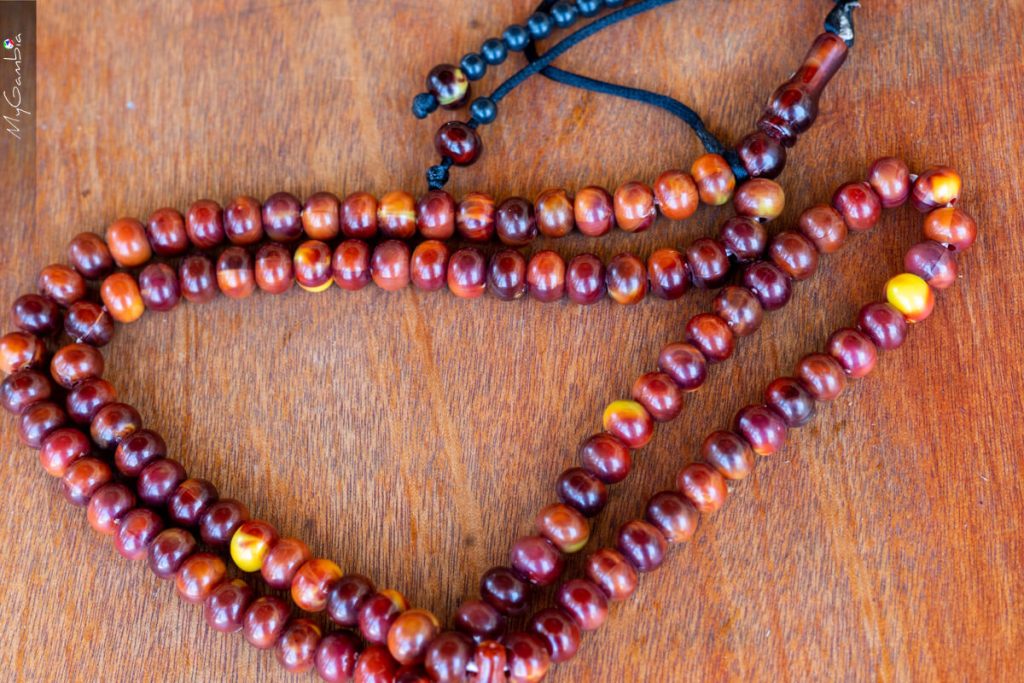
One of the main practices of Ramadan is fasting. Healthy adult Muslims abstain from food, drink, smoking, and negative speech or behavior from dawn until sunset. Fasting is not only about physical restraint, but also about inner reflection, strengthening faith and one’s connection with God. During this time, Muslims pray more frequently—typically five times a day—and strive to live more mindfully and peacefully.
Ramadan is also a time when people make an extra effort to be kind, support those in need, and spend more time with their families. Many devote increased attention to charity, believing that good deeds carry even greater value during this sacred month.
Iftar and Suhoor – Meals That Bring Families Together
Life during Ramadan follows a unique rhythm. Before sunrise, families eat a simple meal called suhoor, which helps sustain them throughout the day of fasting. Suhoor is often modest—consisting of water, bread, fruit, or rice—but it plays an important role in providing energy for the long hours ahead.
At sunset comes one of the most cherished moments of the day—iftar, the evening meal that breaks the fast. Iftar is more than just dinner; it is a time of togetherness, community, and gratitude. Families, friends, and neighbors gather to share food and conversation.
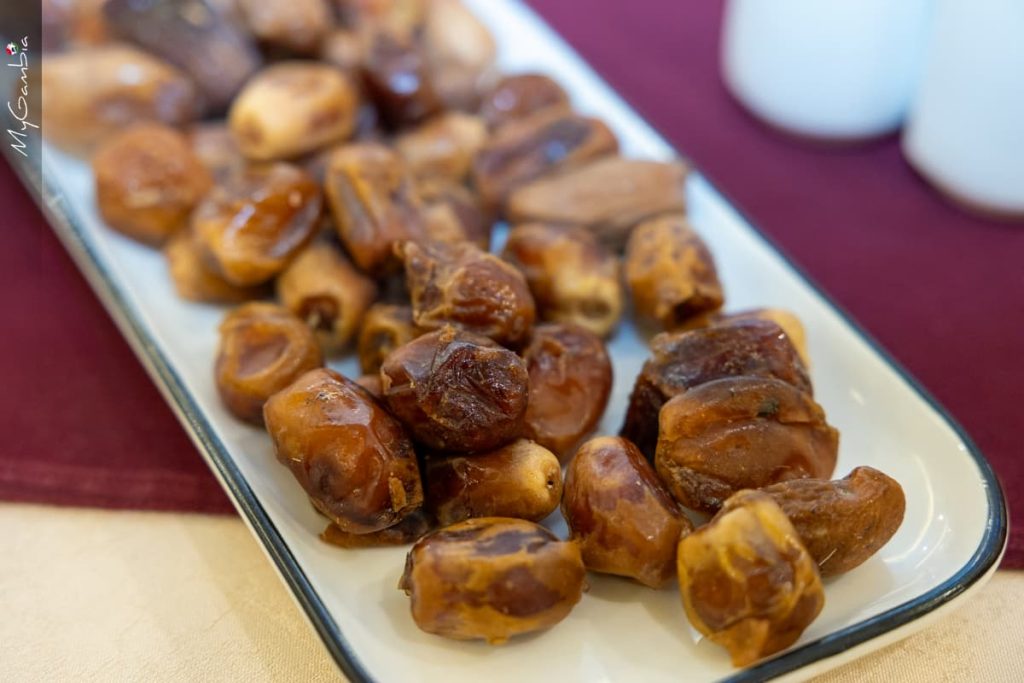
In The Gambia, it is customary to break the fast first with dates and water, followed by a larger meal. Tables are often filled with rice, fish, vegetables, sauces, fruits, and traditional drinks. Iftar is also a time for visiting one another and sharing food.
It is common for food to be shared with poorer families or people encountered on the street. If someone does not have enough, they are often invited to join a meal or given food to take home.
For this reason, Ramadan is also a time of generosity and solidarity. Many people help those less fortunate—through donations, meals, or gifts. This spirit of sharing is deeply rooted in Gambian culture and can be felt everywhere. Neighbors exchange dishes, families support the elderly, and children often take part in distributing food.
A Different Rhythm of Life in The Gambia During Ramadan
During Ramadan, life in The Gambia takes on a distinct pace. Daily routines slow down even further, as people conserve their energy during the day. Mornings tend to be quieter, while activity increases in the late afternoon.
Markets are calmer during the day but become lively again toward evening, as people shop for food for iftar. Bakeries are often crowded in the late afternoon, with people waiting for fresh bread, while roadside stalls offer fruits, juices, and various dishes for the evening meal.
Just before sunset, traffic increases as people hurry home to break the fast with their families. Once the sun sets, the city briefly quiets—only to come alive again shortly after.
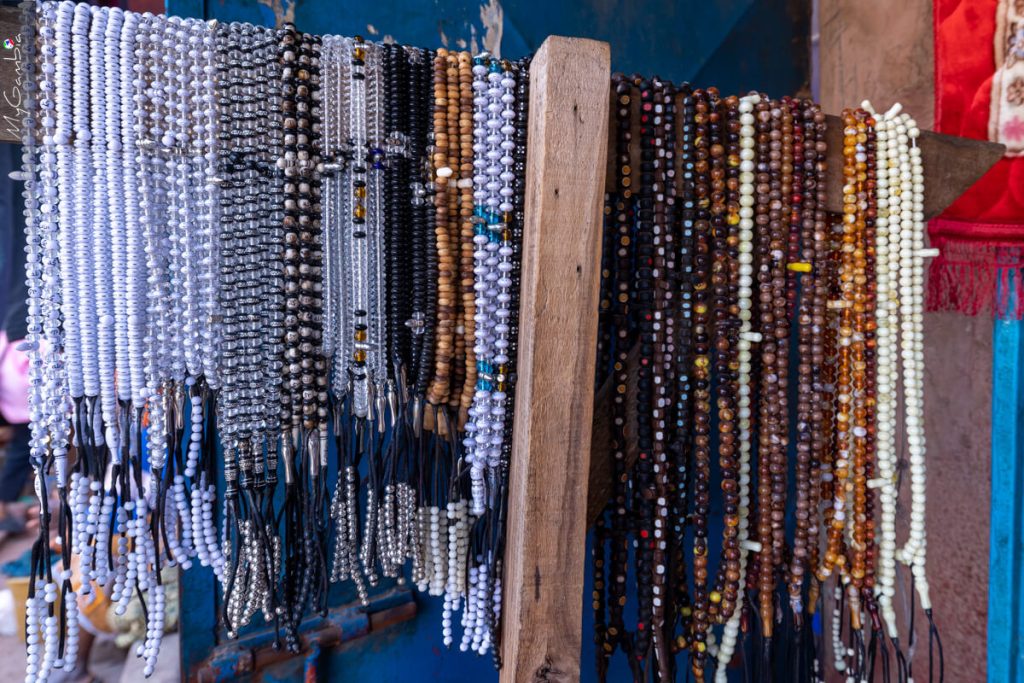
On the streets, you can often see small chewing sticks locally known as soo chu guru. These are natural twigs used as toothbrushes and are especially popular during Ramadan, as they help maintain oral freshness during long fasting hours. They are sold on nearly every market corner and are an important part of daily life.
A unique aspect of The Gambia is its strong interfaith harmony. Although the country is predominantly Muslim, Christians also live there. It is not uncommon for Christians, out of respect for their Muslim friends and neighbors, to join in fasting for part of the day or observe aspects of the spiritual period. At times, Ramadan even coincides with the Christian fasting season.
This connection between different religions fosters a strong sense of community and mutual respect—values that are deeply cherished in Gambian society.
Koriteh – The End of Ramadan and a Joyful Celebration
After 30 days of fasting, one of the most important Muslim holidays begins—Eid al-Fitr, known in The Gambia as Koriteh. This is both a religious and national holiday, usually celebrated over two days.
Koriteh is a time of joy, connection, and celebration. People often have new clothes made for the occasion, visit family and friends, and prepare festive meals.
During this time, the streets are filled with colorful traditional clothing, as people take pride in dressing beautifully and showcasing their festive outfits. Children receive gifts or money, and families exchange food and visit relatives.

Gift-giving holds great significance during this period. Much like Christmas or Easter in other cultures, families wish to celebrate in abundance, wearing beautiful clothes and sharing joyful moments together. People enjoy dressing up, taking photos, and proudly showing their new outfits.
For many families, this is one of the most cherished times of the year—a moment when extended families gather, children play in courtyards, and adults celebrate together over tea and food.
Holidays That Bring People Together
Interestingly, in The Gambia, Christian holidays are also celebrated as public holidays alongside Muslim ones. It is not unusual for Ramadan, Easter, Koriteh, and even Labour Day to fall within the same period.
This coexistence of cultures and religions creates a unique atmosphere where holidays are not only religious events but also times of community, respect, and mutual support. People exchange greetings regardless of their faith and often celebrate together.
Ramadan in The Gambia is therefore more than just a month of fasting. It is a time of slowing down, reflection, kindness, and connection. And when it concludes with Koriteh, life gradually returns to its usual rhythm—but with a lasting sense of gratitude that people carry with them long afterward.